There are actually not that many. Asking the questions another might ask in wishing to know about a topic lead you through your own. Who? What? When? Where? Why? Answer these questions and the story is complete. Some may have more importance. You might choose to make one of the questions far more important than any of the others in order to go in a certain direction with the writing. Some questions you might omit in order for there to be a mystery or allow for the reader or consumer to fill in the blanks themselves. Let’s write answering these questions in mind.
The soldier stood upon a rock. Night was rapidly approaching and he wouldn’t get another chance to take in the valley below. Memory is what would aid his aim should the enemy(1) he knew was near seek to take his position(2) in the night. He hopped down from his reckless vantage and back down to the dusty ground where three others(3) of his unit remained. He was quiet. The others sat grimly the same. Their mission(4) was a bust and seven of their own lay dead in the sand some kilometres away.
If we look at this and take apart what is then we must begin with our five questions.
Who: a Soldier
What: Scanning a valley
When: near night time
Where: Desert valleys and hills
Why: To remember the land.

The caption: It’s good to be me
This is a story. We can change it but all that comes after is based off what has been. We are not changing the answers to the questions but we can give each category more volume or add. Looking at the story I have marked 4 spots from which we could continue. (1) is a who: enemy. (2) is a where: his position. (3) is another who: his three squad-mates. (4) is a what: his mission. Not all need be approached. Not all need be answered. These only represent possibilities. The image you wish to invoke comes out of possibilities. What you wish to be felt by the reader, what emotion you want elicited, what purpose you would like to give the characters: These things are up to you. If you wish to evoke the darkness of the scene and the onset of night then in dialogue you might build a little bit of fright, or through a physical description you set a bit of fear and unease. If you wish it to be more of a survival thriller you could add a chase which leads through more ‘where’. If you are building off a source, a real battle or even a video game, then you could actually focus on the where and even the why. What places in this location offer what advantages? If there is some lesson to be taught, some warning for the reader to heed, then in the contents of the mission might this be found. Was their’s a pointless mission? Was the mission reckless? Why are these soldiers here? Answering more who, what, when, where, and whys adds more and more until the story is complete, or at least has the content you desire. It might be that there is an amount of words or characters someone wants you to satisfy. Beginning with a goal to be satisfied or a purpose will help to understand direction. Understanding possibilities of relations and how one thing connects to another can offer a bigger picture that one need not give every detail of, unless it is a research paper then every detail in relation to your topic is vital. Even so, finding the words on a singular topic to fully describe it to a satisfactory level takes some serious questioning. Who? What? When? Where? Why?
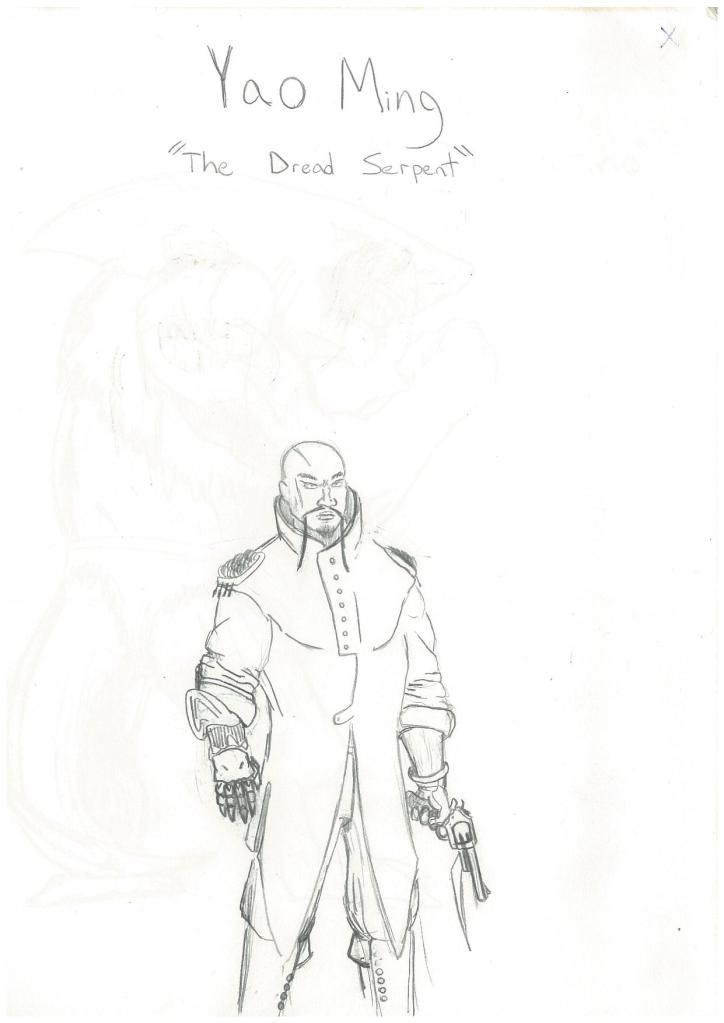
Named after my roommate in college
In one of the most prolific story telling industries of today, video games, there is a constant narrative being produced that the creator of a game builds and allows the questions to be fulfilled by the player, even though the answers were already written. Understanding the response of a scene and all possibilities as to how it plays out is key. Let’s continue the story.
The soldier stood upon a rock. Night was rapidly approaching and he wouldn’t get another chance to take in the valley below. Memory is what would aid his aim should the enemy he knew was near seek to take his position in the night. He hopped down from his reckless vantage and back down to the dusty ground where three others of his unit remained. He was quiet. The others sat grimly the same. Their mission was a bust and seven of their own lay dead in the sand some kilometres away. The rattle of gunfire over the next hill drew their eyes toward that direction, which thankfully was away from the sinking sun.
Kzzt, “We are pinned down, requesting aid, our co-ordinates…” The crackle of the radio sparked a fire in his heart and he looked to his fellows. “The CO is dead but that doesn’t mean I need someone to tell me I should go help.” He shouldered his rifle. “You don’t need to follow, but if you all will one of us must stay. Keep over watch on this valley.”
“I’ll stay. Twisted my ankle. I’ll slow you down. Leave your flares. I’ll use them if we need a warning.”
We can make some more assumptions. He has a rifle and radio and that gives us some more idea of the time period, if I so wished to base my story on history. The details only ever grow.
I will stop the story there. What vision of the characters do you now have? I was going for heroic. If you will notice I picked (1) as the route my writing would follow and used the ‘enemy’ to spark the next action. This is a who category. In classrooms I have students experiment and play. How would focusing on a different route create another story or feeling? What additions can you add? What things can you take away in a natural progression? What do you give focus? If you wish to practice your written hand then look at the descriptions you give. Mine are rather void of physical description and the people themselves are left to the reader to decide their image. Perhaps if this is a continuous story then these details will come out but for now they remain empty.
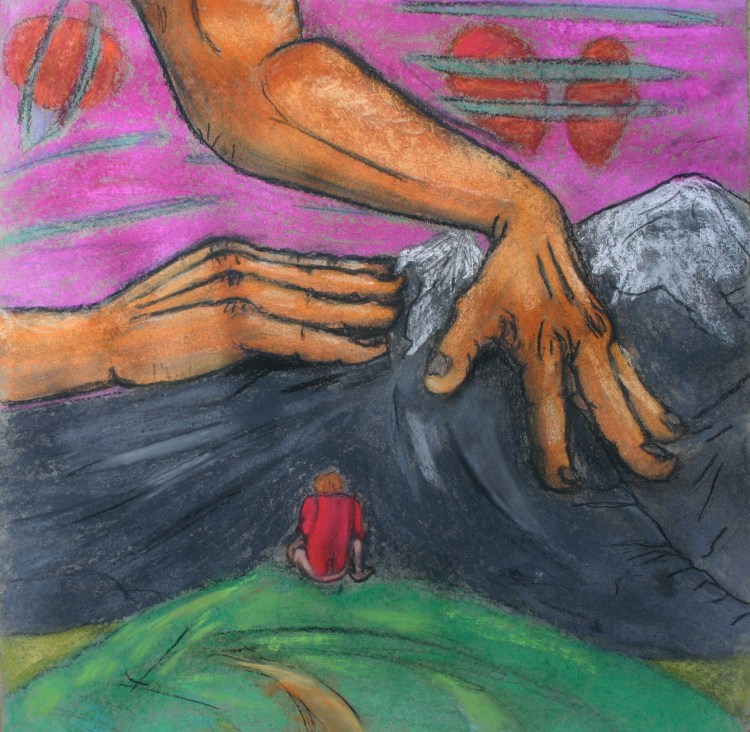
Building a world
Perhaps in your writing you will be going over the work of another. Some details become immutable. Some become more limited. If you work in the world another created, say some table top RPG like Dungeons and Dragons, then material you have is already voluminous. This doesn’t mean you have less freedom nor does it mean that you are trapped by the material, unless you are paid to stay in certain guidelines.
If advertising or copy writing then this multi-route approach to writing is very important. What emotional response do you wish to obtain? What vocabulary will be used to elicit this? Honestly constant refinement of the words is going to take place but there is an understood as to what feelings your writing can generate based on the content. Those who read it might be urged to read further, or, if it has to do with existing media, to try out the media from where the writing is sourced. Games do well capitalizing on the narratives they produce. Understanding the emotional attachments people can have based on the writing and route chosen is vital.
 Short stories, poetry, writing, and art